
From Seed to Series D
By Factalis Consulting
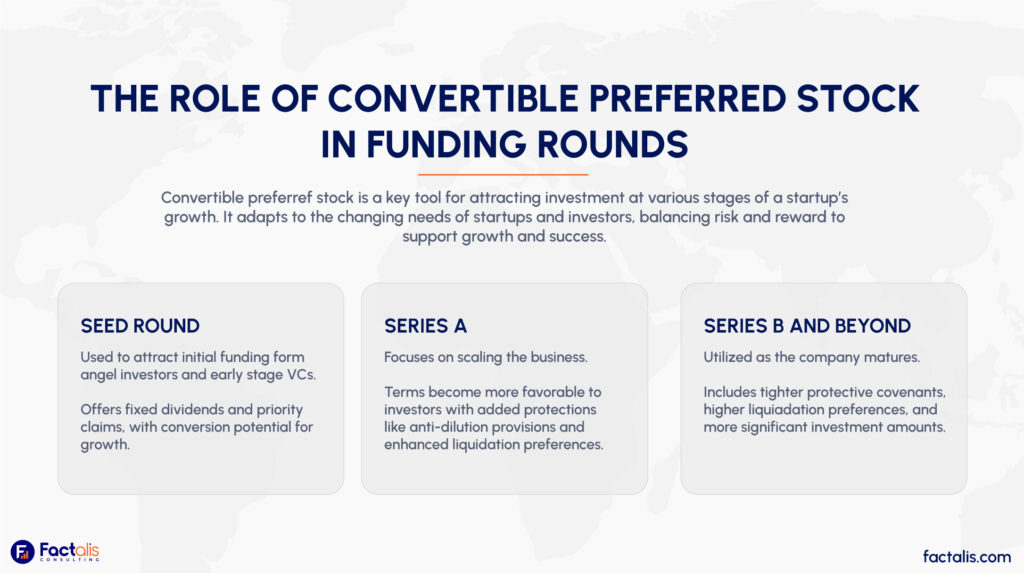
Preferred stock financings are a defining feature of venture-backed growth—but they are also one of the most misunderstood and mis-accounted areas in early- and mid-stage companies.
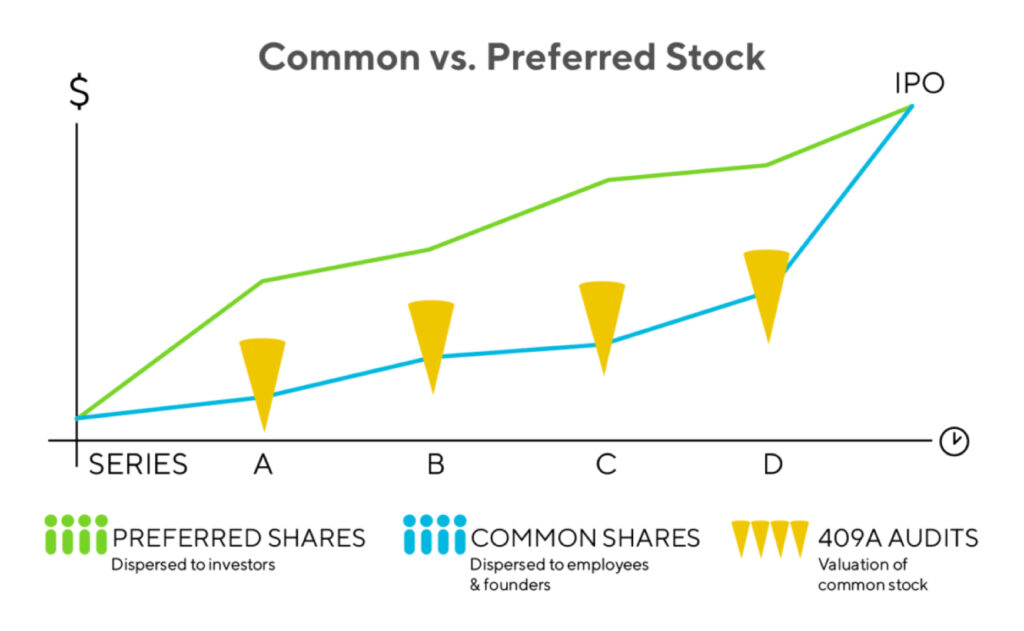
From Seed to Series D, preferred stock terms evolve quickly, and accounting complexity scales faster than most finance teams expect. What seems immaterial early becomes high-impact during audits, diligence, IPO readiness, or M&A.
Seed & Pre-Series A: Simplicity That Masks Complexity
Common Accounting Issues
-
Equity vs liability classification not evaluated -
Conversion features and liquidation preferences not analyzed -
Issuance costs expensed incorrectly -
Preference terms not documented clearly
Why It Matters
Even at Seed, preferred stock establishes the accounting foundation for all future rounds. Errors here compound later.
Typical Risk
Companies assume preferred stock is “just equity” and defer technical analysis.
Series A: GAAP Scrutiny Begins
Common Accounting Issues
-
ASC 480 & ASC 815 classification not assessed -
Mandatory redemption or deemed liquidation features overlooked -
Beneficial conversion features (BCFs) not evaluated -
Incorrect presentation between permanent and temporary equity
Why It Matters
By Series A, investors expect GAAP-ready financials, and preferred stock terms become more standardized—and more scrutinized.
Typical Risk
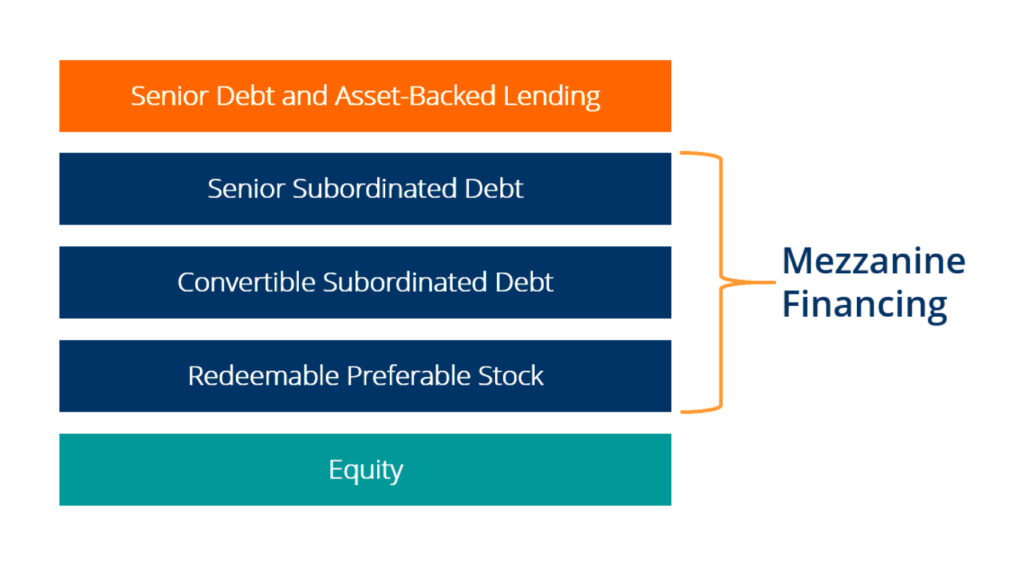
Preferred stock incorrectly classified as permanent equity when it should be mezzanine (temporary) equity.
Series B–C: Layered Preferences & Structural Complexity
Common Accounting Issues
-
Multiple liquidation preference layers not modeled or disclosed properly -
Down-round features and price protections ignored -
Participation rights misinterpreted -
Accretion to redemption value not recorded correctly
Why It Matters
At this stage, preferred stock directly impacts:
-
EPS modeling -
Exit waterfall econ -
Investor negotiations
Typical Risk
Accounting fails to keep pace with term sheet complexity, leading to restatements or audit adjustments.
Series D & Late-Stage: Pre-Exit and IPO Pressure
Common Accounting Issues
-
Temporary equity classification not maintained consistently -
Redemption features triggered by IPO or change-of-control events -
Conversion accounting mishandled at IPO -
Disclosure deficiencies around rights and preferences
Why It Matters
Preferred stock accounting becomes high-visibility during:
-
IPO readiness -
M&A diligence -
PCAOB-level audits
Typical Risk
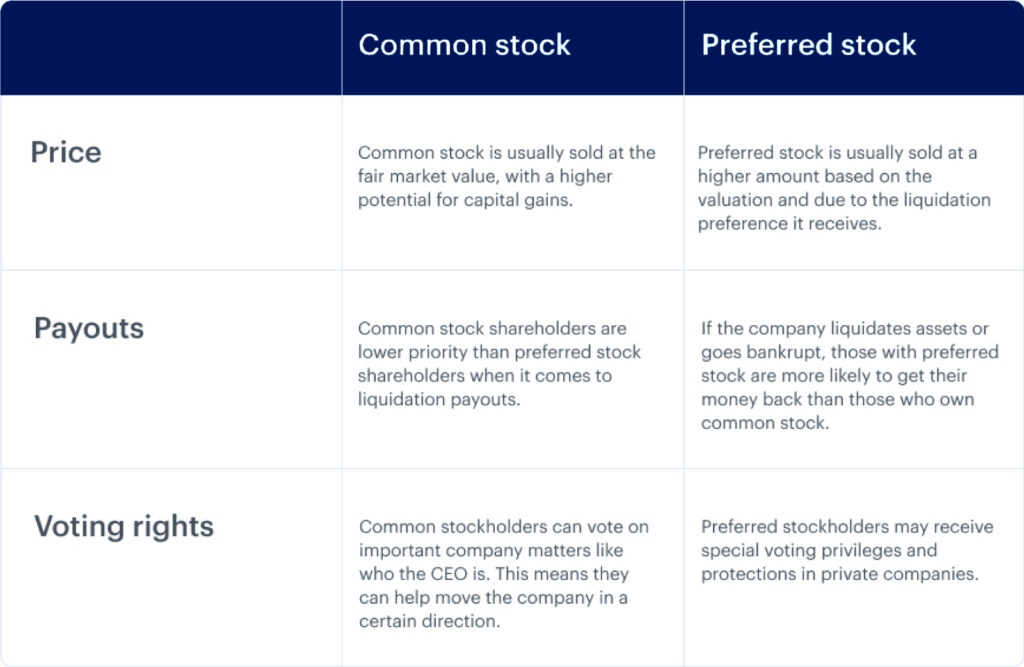
Late discovery of misclassified preferred stock delaying transactions.
Cross-Stage Accounting Issues (Seed → Series D)
1. Permanent vs Temporary Equity Classification
Preferred stock with redemption or deemed liquidation features often belongs in mezzanine equity, not permanent equity.
2. Embedded Derivatives & Complex Features
Conversion price resets, anti-dilution provisions, and contingencies must be evaluated under GAAP.
3. Issuance Costs & Allocation
Legal and advisory fees must be allocated correctly between equity classes.
4. Disclosure & Waterfall Transparency
Incomplete disclosure of preferences, rights, and conversion terms is a major diligence red flag.
5. Documentation Gaps
Lack of technical accounting memos to support conclusions under audit scrutiny.
Why This Becomes a Valuation Iss
Preferred stock accounting affects:
-
Equity balances and retained earnings -
Exit waterfalls and investor proceeds -
Earnings per share and dilution modeling -
IPO readiness timelines
What starts as an accounting issue often becomes a deal issue.
The Factalis Perspective
At Factalis Consulting, we view preferred stock accounting as more than technical compliance—it’s about defensibility, clarity, and transaction readiness.
We help companies:
-
Evaluate preferred stock terms correctly at issuance -
Maintain consistent equity classification across rounds -
Prepare audit-ready documentation -
Avoid last-minute rework during capital raises, M&A, or IPOs
Key Takeaway
Preferred stock complexity grows silently with each round.
Companies that address accounting rigor early preserve flexibility—and credibility—when it matters most.