


Startup Tax Issues Across the Growth Lifecycle:
From Seed to Series C
By Factalis Consulting
For tech and biotech startups, tax risk doesn’t arrive all at once—it accumulates quietly as companies grow.
Early-stage decisions around structure, equity, and R&D often feel operational, but they later surface in diligence, audits, and capital raises—sometimes reducing valuation or delaying deals.
Understanding how tax issues evolve across the startup lifecycle allows founders and CFOs to act early, preserve flexibility, and protect value.
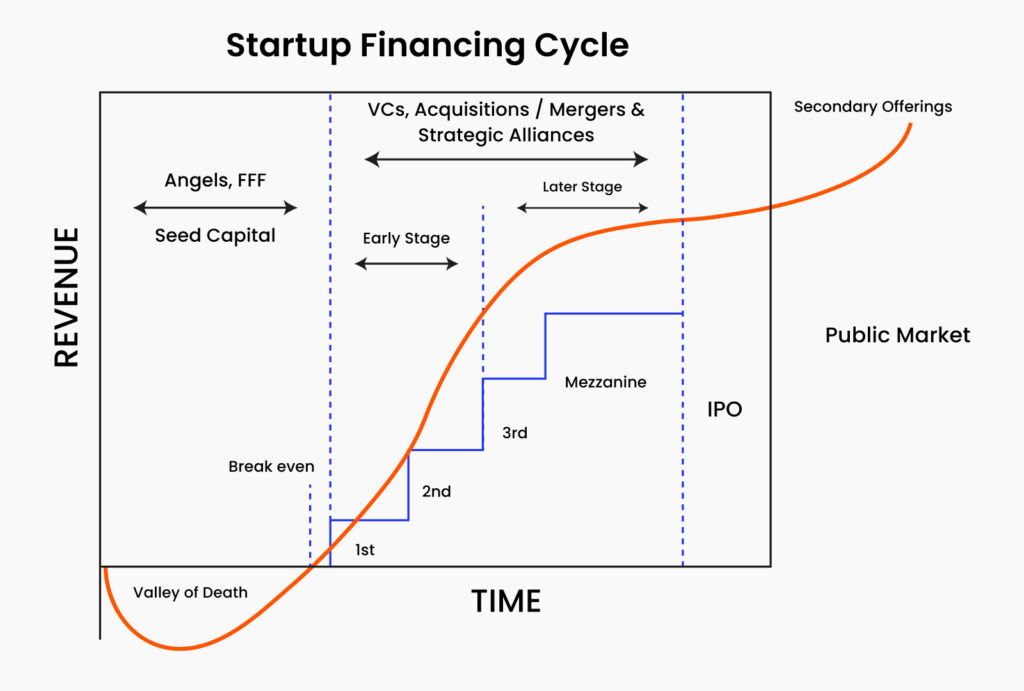
Seed Stage: Build the Foundation (Survival Mode)
Primary focus: runway, speed, and simplicity
Common Tax Issues
- Entity structure decisions (Delaware C-Corp vs pass-through) made without future funding in mind
- Missed or misunderstood 83(b) elections for founder equity

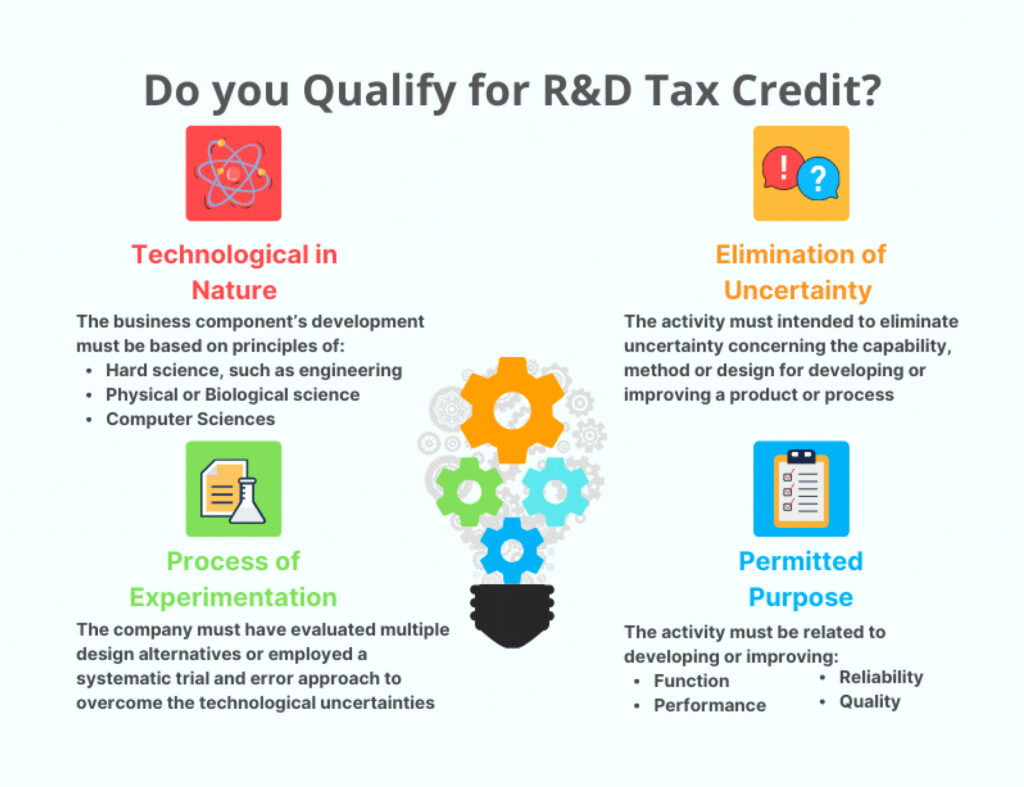
- R&D tax credits either not claimed or claimed without support
- Early multi-state activity creating unnoticed tax nexus
Why It Matters
Seed-stage tax mistakes are rarely fatal—but they are hard to unwind later. Decisions made here set the tone for investor readiness and downstream tax efficiency.
What “Good” Looks Like
- VC-aligned entity structure
- Clean cap table and equity tax elections
- R&D credit strategy aligned with cash runway
- Basic state and payroll tax compliance in place
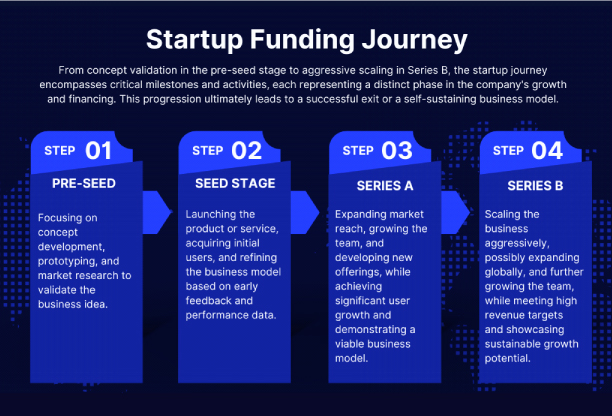
Series A: Institutional Readiness Begins
Primary focus: credibility and scalability
Common Tax Issues
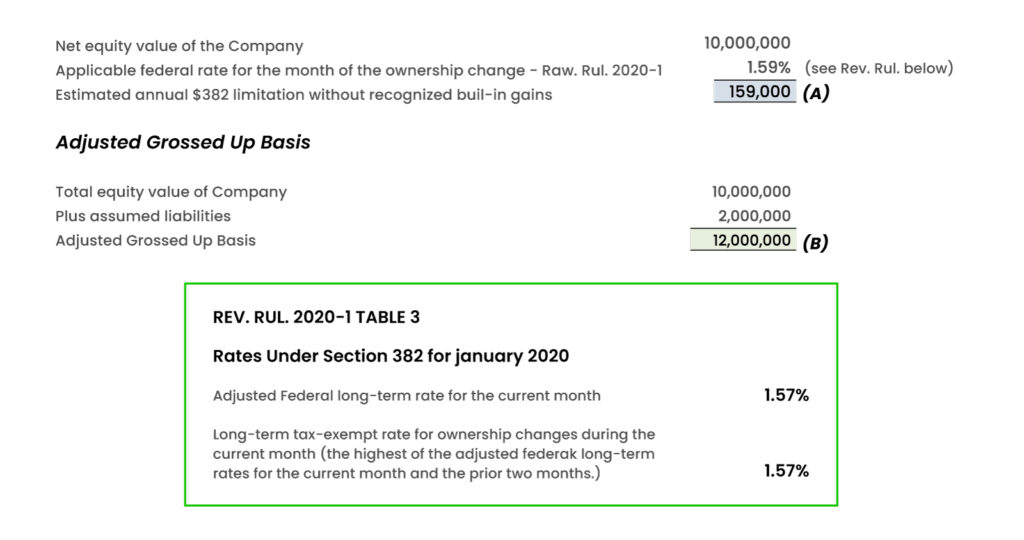
- Ownership changes triggering Section 382 limitations on NOLs
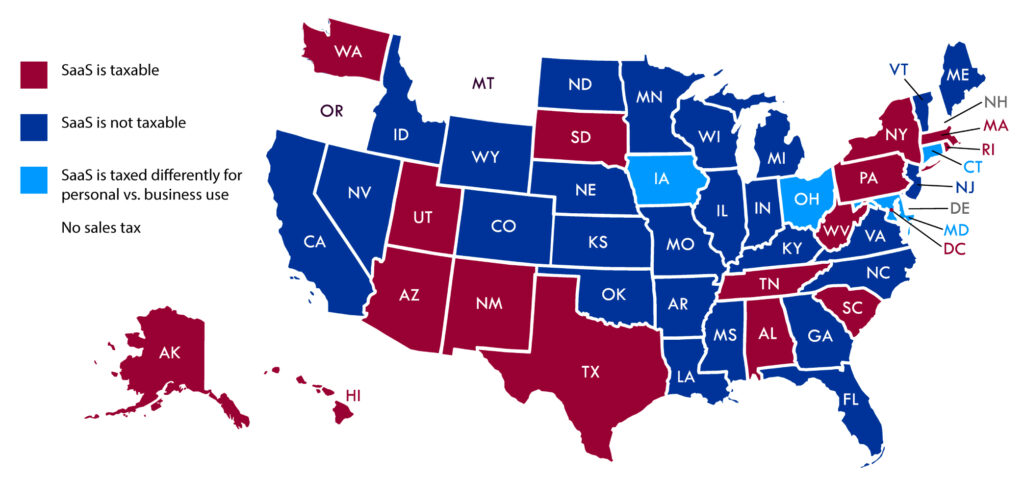
- Sales tax exposure from SaaS or digital products
- International expansion without transfer pricing or withholding planning
- Deferred tax assets not understood or tracked
Why It Matters
Series B is where tax issues become financially material. Problems start affecting forecasts, diligence outcomes, and exit planning.
What “Good” Looks Like
- Modeled NOL usability and ownership tracking
- Sales tax compliance strategy implemented
- Transfer pricing framework established
- Deferred tax impacts understood and documented
Series C: Pre-Exit & Institutional Scrutiny
Primary focus: valuation protection and transaction execution
Common Issues
- Diligence uncovering historical non-compliance
- Weak documentation around credits, equity, or losses
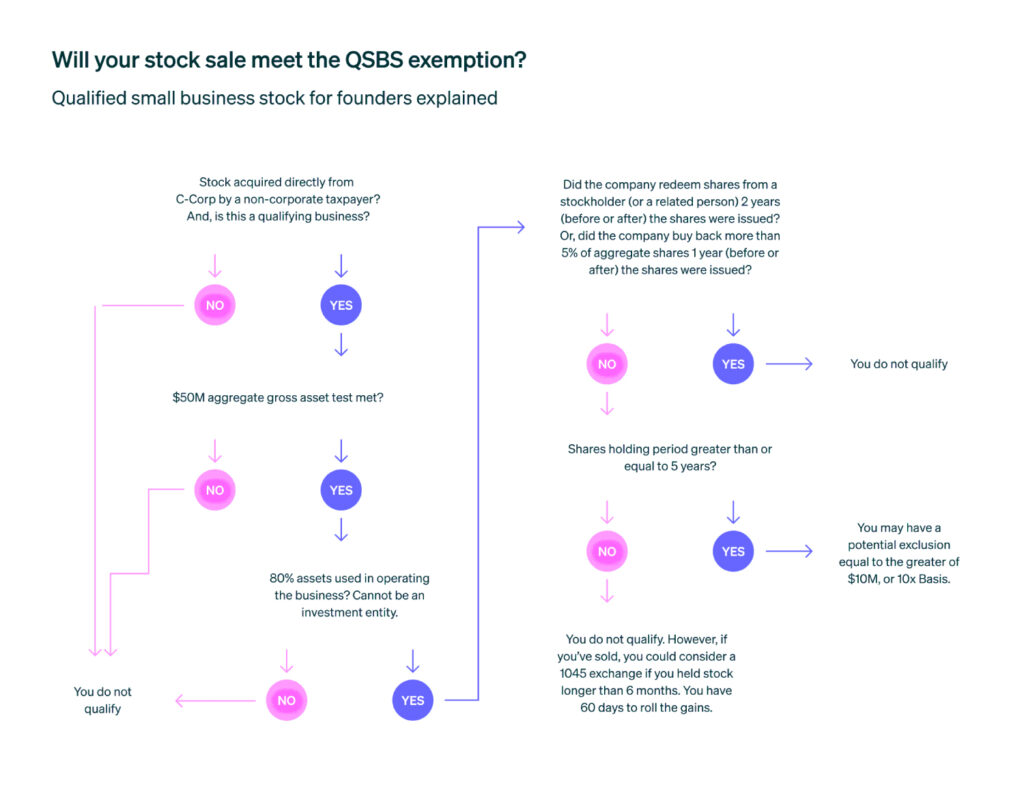
- Missed QSBS eligibility due to early structuring gaps
- Tax accounting not standing up to investor or auditor scrutiny
Why It Matters
At Series C, tax directly affects deal certainty, valuation, and closing timelines. Issues discovered late reduce leverage.
What “Good” Looks Like
- Clean tax history with diligence-ready documentation
- QSBS eligibility planned and preserved
- Strong alignment between tax reporting and GAAP
- No last-minute tax surprises during transactions
The Founder Dimension: Personal Tax Is Not Separate
Across all stages, founder-level tax planning is often ignored—yet it shapes:
- Exit timing decisions
- Retention and incentive design
- After-tax outcomes at liquidity
Early planning around equity, residency, and liquidity events materially changes long-term outcomes.
The Factalis View: Tax as a Strategic Growth Lever
Startups don’t fail because of taxes—but they lose value because of poorly timed tax decisions.
Handled proactively, tax:
- Extends runway
- Reduces diligence friction
- Protects valuation
- Improves founder outcomes
Handled reactively, it becomes a distraction at the worst possible moment.
At Factalis Consulting, we work alongside founders and leadership teams before tax becomes a problem—embedding tax strategy into accounting, reporting, fundraising, and M&A readiness.
Key Takeaway
Tax maturity should scale with your business, not trail behind it.
The earlier tax strategy aligns with growth strategy, the fewer surprises—and the stronger the outcome.